
The Marketing Multiverse - How Brands Will Blend AR, AI & Hybrid Experiences in 2026 Campaigns
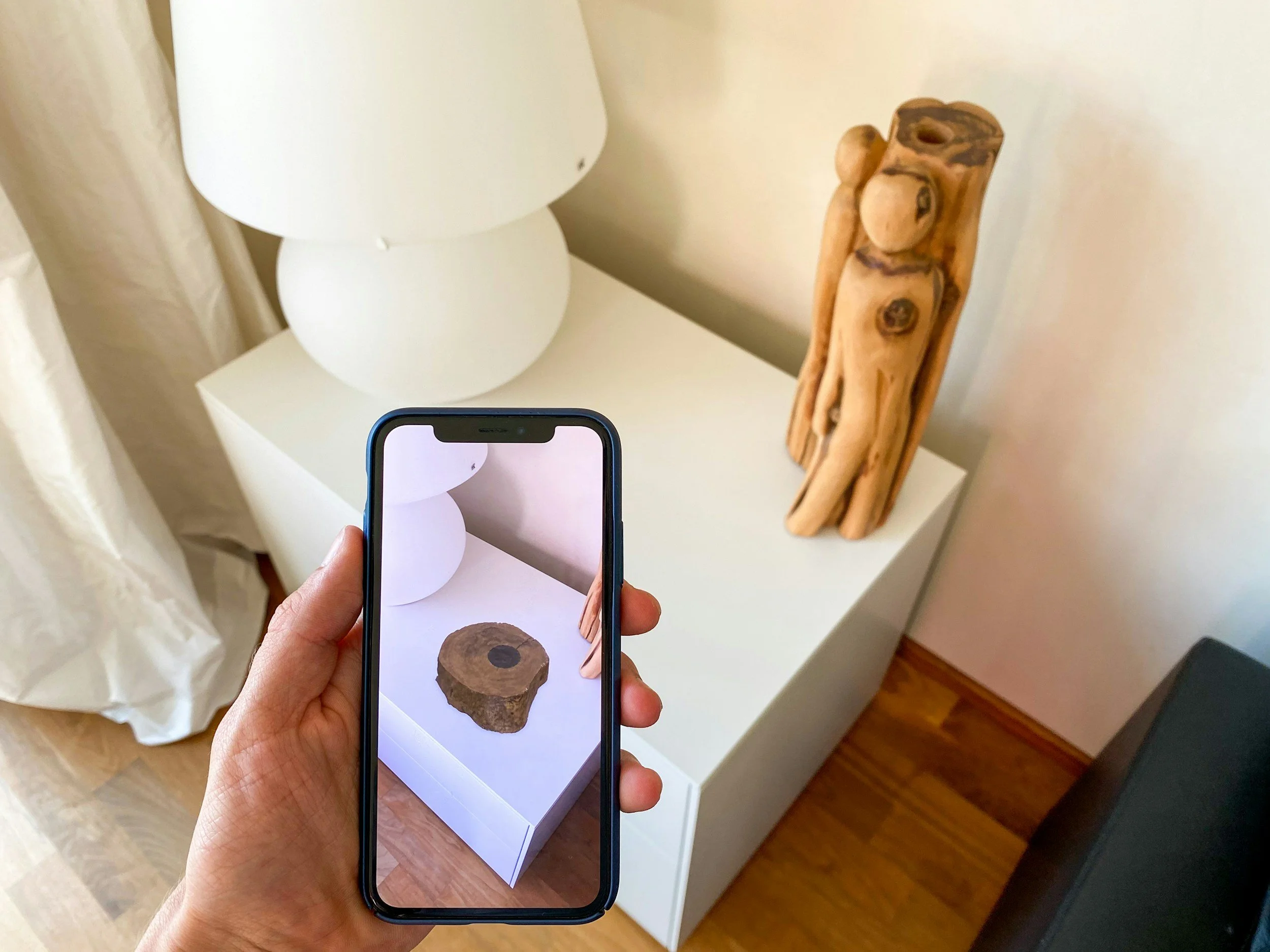
Digital marketing is evolving faster than ever and in 2026, we’re entering an entirely new era: the Marketing Multiverse. This blend of augmented reality (AR), artificial intelligence (AI), virtual storytelling and hybrid digital-physical experiences is set to transform how brands engage customers.
Consumers now expect richer, more immersive interactions. They want to explore, try, test and experience products before they buy not just read about them. The Marketing Multiverse enables this in ways we couldn’t have imagined a few years ago.
What Is the Marketing Multiverse?
The multiverse represents the convergence of:
AR experiences (try-ons, visual overlays, filters)
AI-driven environments (personalised virtual spaces, simulations)
Hybrid events that integrate the real world with digital layers
Virtual storefronts and branded worlds
Immersive content formats activated across devices
It’s not a single technology it’s the ecosystem created when all these innovations work together.
The Rise of AR as a Mainstream Channel
Throughout 2025, AR adoption exploded especially in beauty, fashion, interiors and retail. By 2026, AR is no longer a novelty, it’s an essential part of the customer journey.
Brands use AR to:
Allow customers to try products virtually
Overlay product information in real spaces
Guide shoppers inside stores
Create immersive campaigns activated by QR codes or packaging
This not only boosts engagement … it significantly increases purchase confidence.
AI-Generated Environments & Experiences
AI is now capable of generating full virtual spaces tailored to each user. In 2026, brands can create:
Virtual showrooms
Immersive product demos
Personalised shopping spaces
Interactive storytelling worlds
These environments adapt to the user based on behaviour, preferences or even predicted intent, creating a deeply personalised experience.
The Return of Hybrid Events
After years of digital transformation, consumers want real experiences but with digital enhancement. Hybrid events bridge this gap.
A hybrid 2026 campaign might include:
A physical pop-up where visitors unlock digital rewards
A livestream product launch that mirrors an in-person event
AR scavenger hunts around a city
Interactive installations that feed into online content
This merging of worlds allows brands to extend the lifecycle and reach of every event.
The Power of Multiverse Storytelling
Marketing is no longer linear. Customers expect brands to tell stories across multiple dimensions — physical, digital and immersive.
In 2026, multiverse storytelling might include:
Narratives that evolve across AR experiences
AI-generated personalised storylines
Characters or guides that interact with users in real time
Gamified elements that unlock new layers of content
This makes the customer feel like a participant, not an observer.
What This Means for Brands
The Marketing Multiverse isn’t only for big brands. SMEs can leverage it too through:
AR try-on tools
AI-generated virtual displays
Hybrid events for product launches
Interactive digital ads
Immersive brand videos
These technologies are now cost-effective, accessible and easier to build.
What’s Next?
By 2027, the Marketing Multiverse will evolve into fully connected brand ecosystems where physical experiences, AI assistants, digital spaces and AR layers feel like one continuous journey.
Brands that embrace this shift will differentiate themselves with deeper engagement, stronger storytelling and more memorable customer experiences.
The future of marketing is not just digital… it’s dimensional.
